

Home
Climate and Health Institute
At the intersection of climate change, human health and equity.
From extreme drought to longer wildfire and pollen seasons, climate change is having a profound impact on human health. In addition, the health burden caused by climate change and its drivers is disproportionate, with some populations more at risk of respiratory and heat-related illnesses, water and food insecurity, disease, forced migration, and other consequences of planetary neglect. GW’s Climate & Health Institute seeks new solutions to global health and equity challenges associated with climate change, and is addressing those challenges through cross-disciplinary research, training, and action.
Our Current Initiatives
Research and Engagement for Action on Climate and Health (REACH) Center

GW Awarded $3.69M to Lead NIH-Funded Multi-Institutional Climate and Health Exploratory Center
Building on the work and success of the CHI, investigators at GW were awarded a $3.69M grant to develop a National Institute of Environmental Health Sciences (NIEHS)-funded climate and health exploratory center. The Research and Engagement for Action on Climate and Health (REACH) Center is a multi-institutional effort led in partnership by George Washington University, Howard University, George Mason University and the Environmental Defense Fund. The Center aims to bridge big data to health-protective solutions for climate-sensitive risk factors through the cultivation of a multi-disciplinary research enterprise that generates new knowledge and accelerates research translation at the intersection of climate and health.
Climate Change Indicators

The CHI is exploring ways to revive, advance and develop climate change impact indicators
Led by former EPA staff who developed and launched climate change indicators and supported by a team of GW students at undergraduate, master’s and Ph.D. levels, the CHI is leveraging previous efforts and examining a modernized climate change and climate-health indicators initiative that reflects today’s science and works toward rebuilding a durable, rigorous, and easily accessible system of environmental and health indicators. Engagement is central and the CHI will coordinate with a range of stakeholders and data providers to help shape the indicators and ensure they reflect real‑world needs.
FLIP the Script: The Free, Local, Immediate and Persuasive Co-Benefits of Climate Action
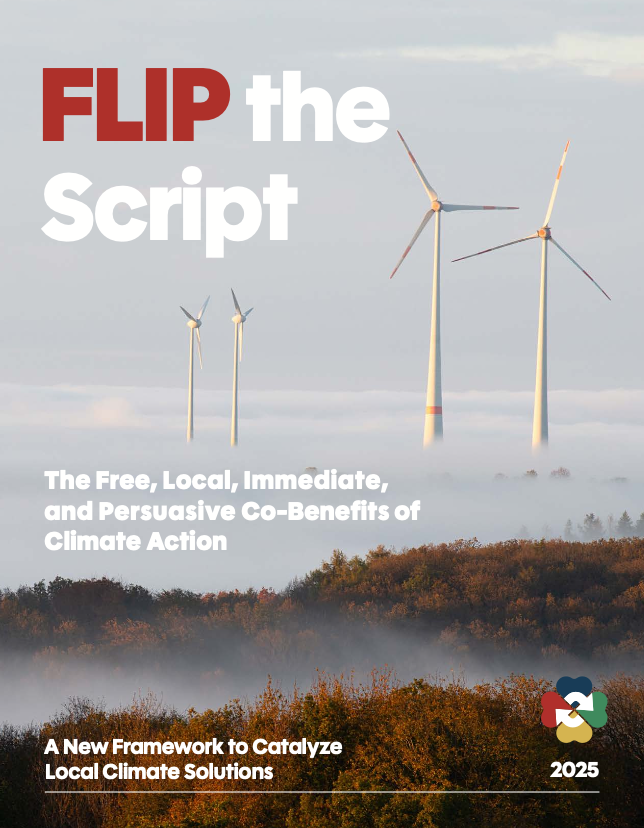
Check out our new report on the Free, Local, Immediate, and Persuasive co-benefits of climate action!
The FLIP Report introduces a new framework emphasizing the Free, Local, Immediate, and Persuasive co-benefits of climate action. Through 22 global case studies, the report “flips” the script on the notion that climate action is costly and its effects distant, demonstrating how its benefits can be felt locally and immediately. The report provides actionable insights for key stakeholders, including policymakers, advocates, researchers, and journalists, on how to apply the FLIP framework in practice to catalyze climate action.
Featured CHI member and partner work
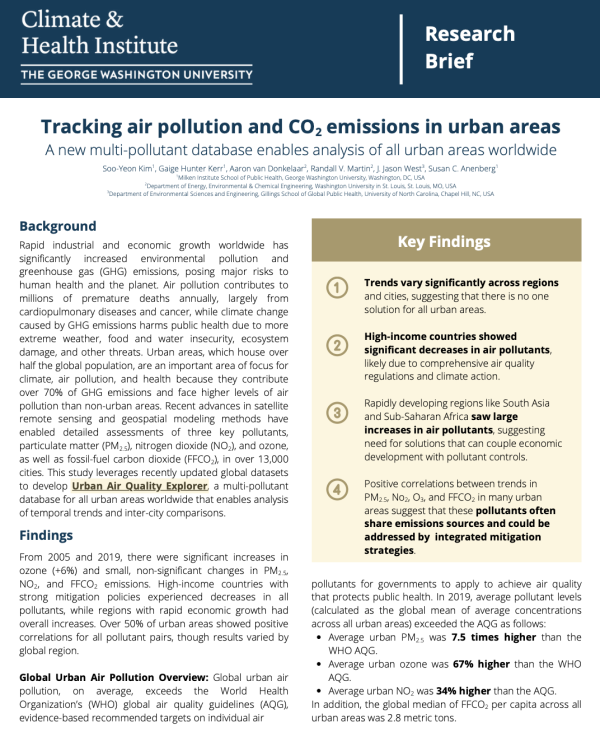
CHI members led work to develop a new global, multi-pollutant database: Urban Air Quality Explorer
This study introduces a new global database that tracks major air pollutants and carbon emissions in more than 13,000 cities worldwide. Using satellite data and advanced modeling, the researchers show that while some high-income countries are cutting pollution, many rapidly growing regions are seeing sharp increases. Because these pollutants often come from the same sources, the findings highlight the power of solutions that tackle air pollution and climate emissions together. The tool gives cities an easy way to compare their progress and identify strategies that protect health and support cleaner, more sustainable growth.
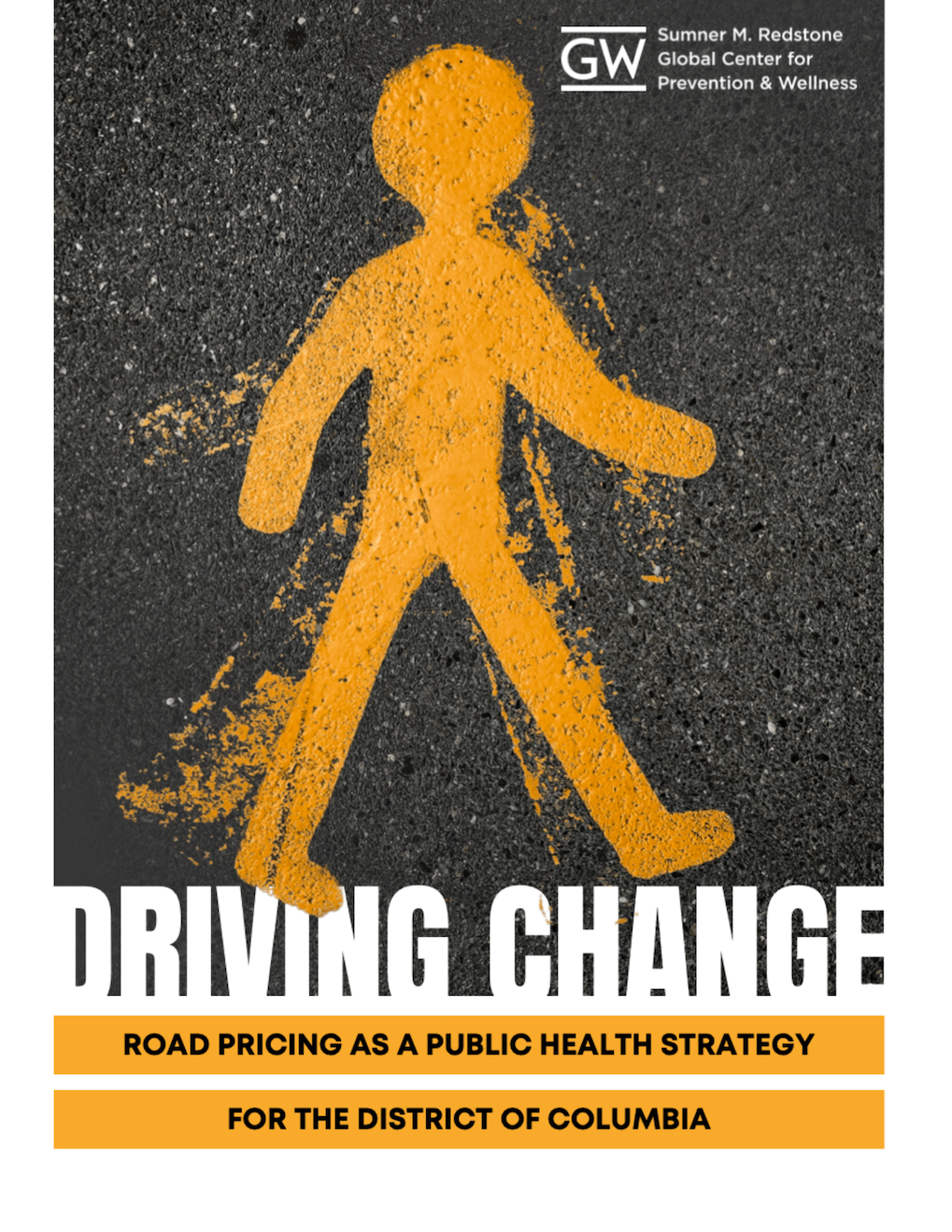
CHI members and partners at the Sumner M. Redstone Global Center for Prevention and Wellness led work on the Driving Change White Paper
This white paper highlights the potential public health, equity, environmental, and other co-benefits the District of Columbia and its residents could enjoy if it implemented a road pricing program, which would reduce vehicle emissions by decreasing the number of vehicles driving in the downtown core. The document provides decision makers and stakeholders with public health-specific information to guide equitable and evidence-based policies.
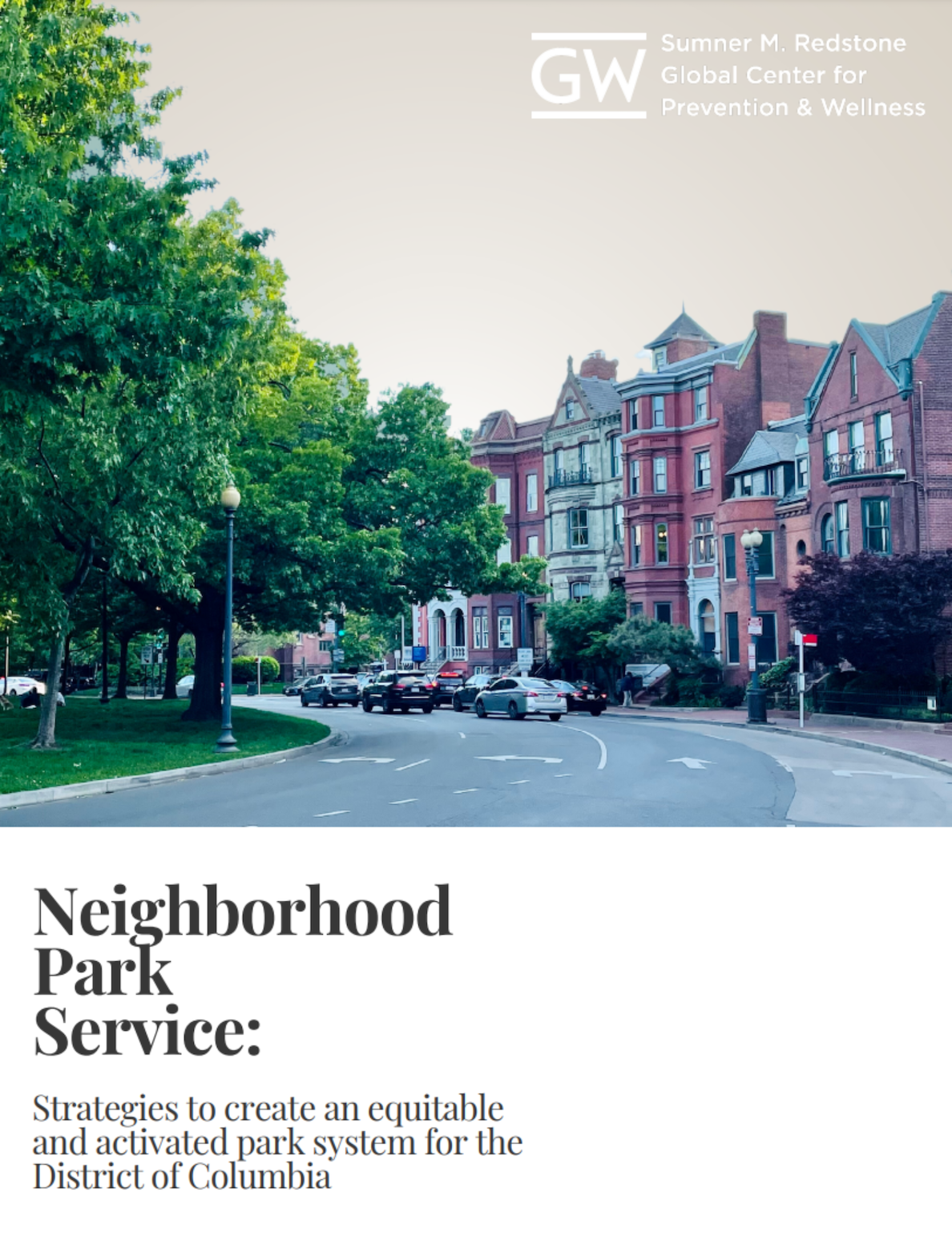
CHI partners at the Sumner M. Redstone Global Center for Prevention and Wellness led work on the Neighborhood Park Service Report
This report evaluates the great inequities in amenities, maintenance, and access in parks/green space across the District of Columbia. Centering parks as a public health and climate change mitigation resource, the report identifies several policy recommendations for the local government, National Park Service, and Congress to improve management of the park system.